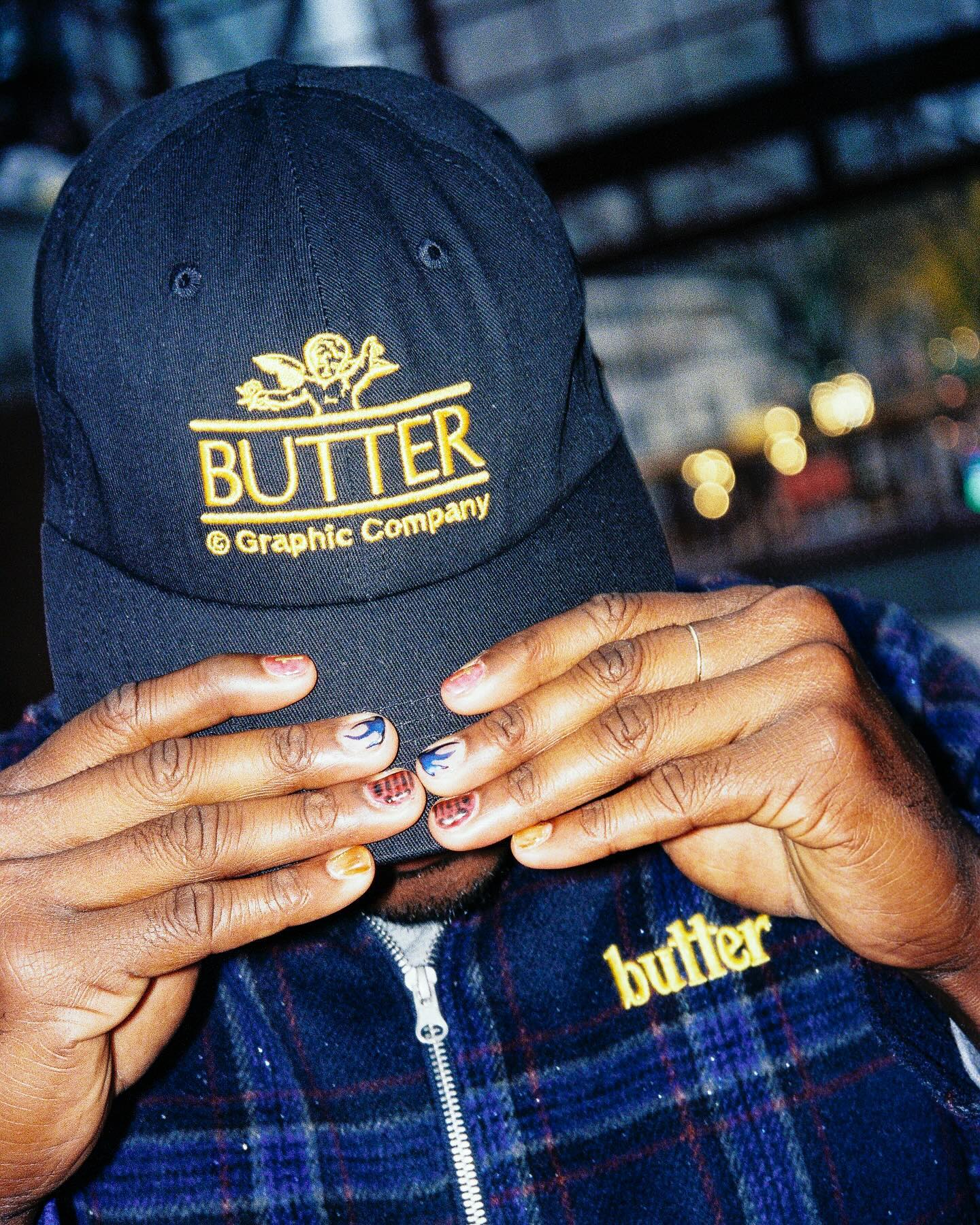

Il y a une entêtement particulier inscrit dans la culture du golf — les cols empesés, la formalité réservée aux membres, la règle non dite voulant que l'expression de soi s'arrête à la barrière du pavillon. Pendant des décennies, les codes vestimentaires du sport ont tenu à distance une génération plus jeune et plus portée sur la création. Puis un gars de Virginia Beach, qui avait passé sa carrière à publier des magazines de culture underground, à mener des campagnes publicitaires pour Nike et Toyota et à cultiver l'énergie créative de la vie nocturne new-yorkaise, a décidé de revenir à ses racines. Le résultat, c'est Malbon Golf : la marque lifestyle de Los Angeles qui n'a pas seulement rendu le golf cool — elle l'a rendu pertinent de nouveau.
L'homme derrière la marque : la vie de Stephen Malbon avant le golf
Comprendre Malbon Golf exige de comprendre Stephen Malbon, et son parcours se lit moins comme la biographie d'un fondateur de marque de golf que comme un programme culturel. Élevé sur une ferme à Virginia Beach, Malbon a grandi au croisement de la nature et de la sous-culture. Ses premières années ont été façonnées par les boutiques de skate locales, la culture du surf et les salons de la planche à neige à San Diego qu'il fréquentait dès l'âge de treize ans. Dès le début de l'adolescence, il étudiait déjà comment les industries du skate, du surf et de la planche à neige se démarquaient de tout ce qu'il avait vu — une leçon qui allait former l'ADN de tout ce qu'il a bâti.
Il a abandonné l'école secondaire, déménagé au Colorado, travaillé dans une boutique de planche à neige et fini par payer ses études à l'Art Institute of Atlanta, où il a étudié la communication visuelle. C'est là qu'il a créé le premier numéro de The Frank Book en 1999 — un trimestriel de format poche braquant les projecteurs sur la culture underground, avec des collaborateurs des premières heures comme RZA, Lenny Kravitz et la légende du graffiti Futura 2000. Cette publication est devenue Frank151, une entreprise médiatique reconnue à l'international qui a fini par publier en anglais, en japonais, en français et en portugais. Par son agence BON, Malbon a mené des campagnes pour HBO, Nike et Toyota, et a contribué au lancement de la marque automobile Scion. Des décennies avant de lancer une marque de golf, Stephen Malbon était déjà l'un des acteurs créatifs les plus crédibles de la culture streetwear.
Le golf, dans tout cela, était surtout un fantôme. Il avait joué adolescent, avait été cadet au Hell's Point Golf Club de Virginia Beach à douze ans, mais s'en était éloigné à seize ans quand la vie sociale a pris le dessus. Il n'y reviendrait sérieusement qu'au milieu de la trentaine — installé à Los Angeles, épuisé par des décennies de travail en agence et de vie nocturne, il s'est retrouvé sur un terrain municipal et s'est soudain rappelé pourquoi il avait aimé ce sport au départ.
L'origine : remarquer le fossé culturel
Stephen Malbon a décrit son retour au golf comme sa « troisième phase de dépendance ». Jouant autant qu'il le pouvait à LA, il a commencé à remarquer quelque chose que l'industrie du golf avait ignoré : un fossé culturel. Les adolescents découvraient le sport, l'abandonnaient vers seize ans quand la vie devenait intéressante, et n'y revenaient qu'à la trentaine. Il avait vécu exactement ce schéma. Mais plus que le fossé de participation, il a remarqué que le langage visuel du golf — les marques, le marketing, les vêtements — ne disait rien aux gens qu'il avait passé sa carrière à documenter : artistes, musiciens, planchistes, créatifs qui avaient découvert les sneakers Jordan par le basketball et le streetwear par les boutiques de skate.
La marque a commencé comme un tableau d'inspiration Instagram. Malbon s'est mis à publier des images montrant à quel point le golf était cool et beau, cadrées par un prisme visuel plus proche de Hypebeast et Complex que de Golf Digest. Sa femme Erica — cofondatrice de la marque de bien-être légendaire de Los Angeles The Now — a reconnu ce qu'il bâtissait avant même qu'il ne le comprenne pleinement. Ensemble, ils ont lancé Malbon Golf en 2017 depuis Los Angeles, faisant croître une communauté d'abord et le produit ensuite. Tôt dans son histoire, la boutique de la marque sur Fairfax Avenue offrait des chaussures Nike Golf aux côtés de casquettes brodées du logo Buckets désormais emblématique, et des joueurs du PGA Tour dont Rory McIlroy, Cameron Champ et Tony Finau passaient pour des activations pendant la semaine du tournoi de Riviera. La communauté se formait, et elle le faisait de la culture vers l'intérieur plutôt que du sport vers l'extérieur.
Le logo Buckets : une balle de golf avec un point de vue
Toute grande marque a une mascotte qui porte sa philosophie sous forme visuelle condensée. Pour Malbon Golf, c'est Buckets : une balle de golf coiffée d'un chapeau de pêcheur. Le chapeau de pêcheur est une référence directe à la culture skate, au hip-hop et au streetwear — un article qui apparaissait sur les rappeurs des années 1990, les surfeurs et les festivaliers. Le poser sur une balle de golf est une déclaration : c'est du golf, mais c'est votre golf. Il appartient aux gens qui le portent, pas à Augusta National.
Le personnage Buckets s'est déployé à travers les collaborations en un langage visuel flexible. Quand Malbon a lancé son initiative NFT — le Buckets Club — elle a commandé mille personnages Buckets uniques inspirés de références de la culture pop allant du Grateful Dead à The Flintstones, chacun étant une illustration unique. La sous-collection Tiger Buckets a appliqué une variation tigre de la mascotte à des polos haut de gamme, à des chapeaux de pêcheur à imprimé intégral et à des couvre-bâtons. Le logo fonctionne parce qu'il refuse de prendre le golf trop au sérieux alors que la qualité du produit en dessous, elle, demeure tout à fait sérieuse.
Philosophie de design : le golf sans la barrière
Malbon ne se décrit pas comme une marque de golf. Le positionnement officiel — énoncé directement sur le site Web de la marque — est celui d'une marque lifestyle qui révolutionne le sport en y tissant l'énergie de la mode, de la musique, de l'art et du design. Cette distinction compte en pratique. Une marque de golf fabrique des produits pour les golfeurs. Une marque lifestyle influencée par le golf fabrique des produits pour des gens qui veulent vivre d'une certaine façon, et le golf fait partie de cette vie plutôt que d'en être la totalité.
Concrètement, cela signifie que Malbon évite le polo à motifs tapageur qui a défini le vêtement de golf pour toute une génération. Les collections misent sur des silhouettes et des coloris qui seraient à l'aise dans une boutique de streetwear : chinos à jambe droite, cols montants en tissu lourd, coupes amples et palettes ton sur ton discrètes ponctuées de moments graphiques audacieux. La construction est technique — tissus à évacuation de l'humidité, tiges imperméables sur les chaussures, doublures de compression dans les shorts — mais l'esthétique se lit d'abord comme de la mode. Vous pouvez porter un polo Malbon sur les neuf derniers trous et au souper sans vous changer. Cette double utilité n'est pas accidentelle; c'est la stratégie.
L'investissement de la marque dans le golf féminin reflète la même inclusivité. Malbon a signé des joueuses de la LPGA dont Charley Hull et Jeongeun Lee6, championne de l'Omnium féminin des États-Unis 2019, aux côtés de joueuses montantes comme Bianca Pagdanganan et Gigi Stoll. Hull, qui a remporté plusieurs victoires en vêtements Malbon après avoir signé en janvier 2024, a souligné qu'elle avait d'abord pris conscience de la marque simplement en voyant combien de gens la portaient — une diffusion organique par visibilité culturelle plutôt que par commandite traditionnelle.
Des collaborations qui couvrent toute la largeur de la culture
L'un des indicateurs les plus clairs du véritable positionnement culturel de Malbon est l'étendue de ses collaborations. La plupart des marques de golf collaborent avec d'autres marques de golf. Malbon a bâti des partenariats qui traversent la culture contemporaine d'un bout à l'autre. Avec Nike Golf, Malbon a produit des capsules de performance limitées qui brouillaient la ligne entre équipement technique et lifestyle, une relation qui remonte aux tout premiers jours de la marque sur Fairfax Avenue. Avec New Balance — une collaboration en préparation depuis au moins trois ans en 2024 — le partenariat a donné des polos, des cols montants, des pantalons et des shorts co-brandés, ainsi que plusieurs coloris de la chaussure New Balance 550 Golf, dont des coloris exclusifs offerts uniquement par Malbon. Avec adidas, Malbon a retravaillé des silhouettes de performance classiques par son prisme streetwear. Et en 2025, une collaboration avec Jimmy Choo a confirmé que le golf-streetwear était pleinement entré dans l'établissement de la mode. D'autres partenariats avec Girl Skateboards, Undefeated, Beats by Dre et la marque de maillots de luxe Vilebrequin cartographient collectivement le territoire culturel qu'occupe la marque — et sa présence dans le jeu vidéo PGA Tour 2K23 la place là où une plus jeune génération d'amateurs de golf passe déjà du temps.
L'équipe de pros et l'orbite des célébrités
En janvier 2024, l'ancien numéro un mondial Jason Day a mis fin à sept ans de commandite avec Nike pour signer avec Malbon Golf. Day s'est présenté sur le terrain au Sentry à Maui en pantalon ample bleu foncé et garde-robe Malbon complète, et la marque a immédiatement gagné douze mille abonnés Instagram et quatre cents millions d'impressions médiatiques. Stephen Malbon a par la suite révélé que plusieurs autres joueurs sous contrat avec Nike l'avaient contacté au sujet de partenariats potentiels dans les semaines suivant les débuts de Day — un indicateur remarquable de la direction que prenait la relation entre le sport et le vêtement.
L'équipe Malbon actuelle comprend Jason Day, Charley Hull, Freddie Couples, Anthony Kim (qui, après avoir gagné au LIV Golf Adelaide, a choisi une participation au capital de Malbon plutôt qu'un paiement comptant), Michael Block, Sungjae Im, Minjee Lee, Jeongeun Lee6, Garrick Higgo et Jesper Parnevik. L'icône de la planche à roulettes Eric Koston — une véritable figure passerelle entre la culture skate et le golf — est ambassadeur depuis les débuts de la marque.
Au-delà du golf professionnel, l'orbite culturelle de Malbon comprend certains des plus grands noms du divertissement. Justin Bieber et Justin Timberlake ont tous deux été photographiés à la boutique Malbon de Melrose Avenue. Travis Scott et ScHoolboy Q portent régulièrement Malbon — au Pebble Beach Pro-Am de 2023, Stephen Malbon a personnellement été cadet pour ScHoolboy Q. Stephen coanime aussi le Par 3 Podcast avec l'ancien joueur de la NBA devenu golfeur universitaire J.R. Smith et l'acteur-joaillier Ben Baller.
Le nouveau mouvement du golf : pourquoi le sport change
Malbon n'a pas créé la renaissance culturelle du golf, mais elle est arrivée assez tôt, et avec assez de crédibilité, pour aider à la définir. La marque a été lancée en 2017, et trois ans plus tard le sport était largement décrit comme le jeu le plus chaud de la planète — un statut accéléré par la pandémie, par Full Swing de Netflix qui a amené le drame humain du golf professionnel à de nouveaux publics, et par les réseaux sociaux qui ont rendu l'esthétique du sport partageable pour la première fois. Des rappeurs, des vedettes de la NBA et des figures de la mode ont commencé à apparaître sur les terrains avec un véritable enthousiasme : Drake, J. Cole, Steph Curry, Travis Scott. L'équipement de golf a commencé à apparaître dans des contextes streetwear. Les codes vestimentaires se sont assouplis sur les terrains partout en Amérique du Nord.
Des marques comme Malbon — aux côtés d'Eastside Golf, Metalwood Studio et Bogey Boys — représentent une génération d'étiquettes de golf bâties par des gens venus de l'extérieur des structures traditionnelles de gardiens du sport. Elles partagent la conviction que le golf était inutilement restrictif, et que l'ouvrir par la mode, la communauté et les partenariats culturels y amènerait exactement les gens à qui on avait dit pendant des décennies que ce sport n'était pas pour eux. Les chiffres de participation au golf en Amérique du Nord ont augmenté de façon constante, le profil démographique devenant plus jeune et plus diversifié chaque année. Le moment, comme l'a dit Stephen Malbon, était « formidable » — mais la vision était là en premier.
Comment porter Malbon Golf
La véritable polyvalence de Malbon est l'une de ses qualités pratiques les plus convaincantes. Les pièces passent du premier tertre au 19e trou et au-delà, et elles s'agencent exceptionnellement bien aux marques de chaussures que Gallery Streetwear offre aux côtés de la collection.
Sur le terrain : construisez autour d'un chino à jambe droite ou d'un short technique Malbon dans un ton neutre — beige, olive ou marine. Superposez avec un polo ou un col montant Malbon, et terminez avec la chaussure Malbon x New Balance 550 Golf, dont la tige imperméable, l'adhérence sur le terrain et la silhouette épurée de la fin des années 1980 en font autant un choix de performance qu'une déclaration de style. Une casquette ou un chapeau de pêcheur au logo Buckets complète le look. Le principe directeur est la discipline ton sur ton : laissez une seule pièce porter le poids visuel et gardez le reste de la tenue épuré.
Hors du terrain : un chandail à capuchon ou un sweat Malbon fonctionne comme pièce maîtresse du quotidien — désormais un élément légitime de la culture du golf à part entière. Agencez avec le Malbon Braxton Pant en beige ou olivine et terminez avec des New Balance 550 ou des On Running Cloudmonster dans un coloris blanc ou neutre épuré. Les deux portent la même énergie axée sur la performance et le lifestyle qu'incarnent les vêtements Malbon. Par temps plus chaud, un polo co-brandé Malbon par-dessus un t-shirt à manches longues fonctionne aussi bien au brunch qu'au terrain d'exercice. Le fil conducteur de tout agencement Malbon est l'aisance — les vêtements font le travail.
Prêt à monter votre kit? Magasinez Malbon Golf chez Gallery Streetwear pour parcourir la collection actuelle, dont les polos, les vêtements d'extérieur, les couvre-chefs et les accessoires. Pour un aperçu plus large de la catégorie golf, explorez la collection Golf de Gallery et voyez comment les marques les plus avant-gardistes du sport se retrouvent au même endroit.
Trouvez Malbon Golf à Kelowna
Gallery Streetwear, située à Kelowna (C.-B.), offre Malbon Golf dans le cadre de sa sélection soignée de streetwear haut de gamme, de lifestyle athlétique et de vêtements liés au golf. Comme destination de l'Okanagan pour la mode portée par la culture — tenant des marques qui circulent entre sport, rue et style sans compromis — Gallery est le foyer naturel de Malbon dans l'intérieur de la Colombie-Britannique. Que vous soyez un golfeur qui a toujours soupçonné que le sport devrait avoir meilleure allure, ou un passionné de streetwear qui découvre que la culture du golf a enfin rattrapé vos goûts, la collection vaut l'exploration. Magasinez Malbon Golf chez Gallery Streetwear et découvrez pourquoi l'allée n'a jamais eu aussi belle allure.
Questions fréquentes
Où puis-je acheter Malbon Golf au Canada?
Gallery Streetwear est un détaillant canadien autorisé de Malbon Golf, situé au 588, avenue Bernard à Kelowna (C.-B.), et expédie Malbon Golf partout au Canada. Vous pouvez magasiner en personne au centre-ville de Kelowna ou commander en ligne sur gallerystreetwear.ca. Livraison avec suivi gratuite sur les commandes canadiennes de plus de 150 $ CA.
Où puis-je acheter Malbon Golf à Kelowna?
Gallery Streetwear offre Malbon Golf au 588, avenue Bernard à Kelowna (C.-B.). La boutique est ouverte sept jours sur sept : lundi de 12 h à 17 h, mardi et mercredi de 11 h à 18 h, du jeudi au samedi de 11 h à 19 h, et dimanche de 12 h à 17 h, heure du Pacifique. La cueillette locale est offerte au 588, avenue Bernard, au centre-ville de Kelowna.
Qui a fondé Malbon Golf?
Malbon Golf a été fondée en 2017 à Los Angeles par Stephen Malbon et sa femme Erica. Stephen Malbon venait de l'édition et de la publicité, ayant créé The Frank Book et Frank151, et la marque a fait croître la communauté d'abord, en tissant mode, musique, art et design dans le golf.